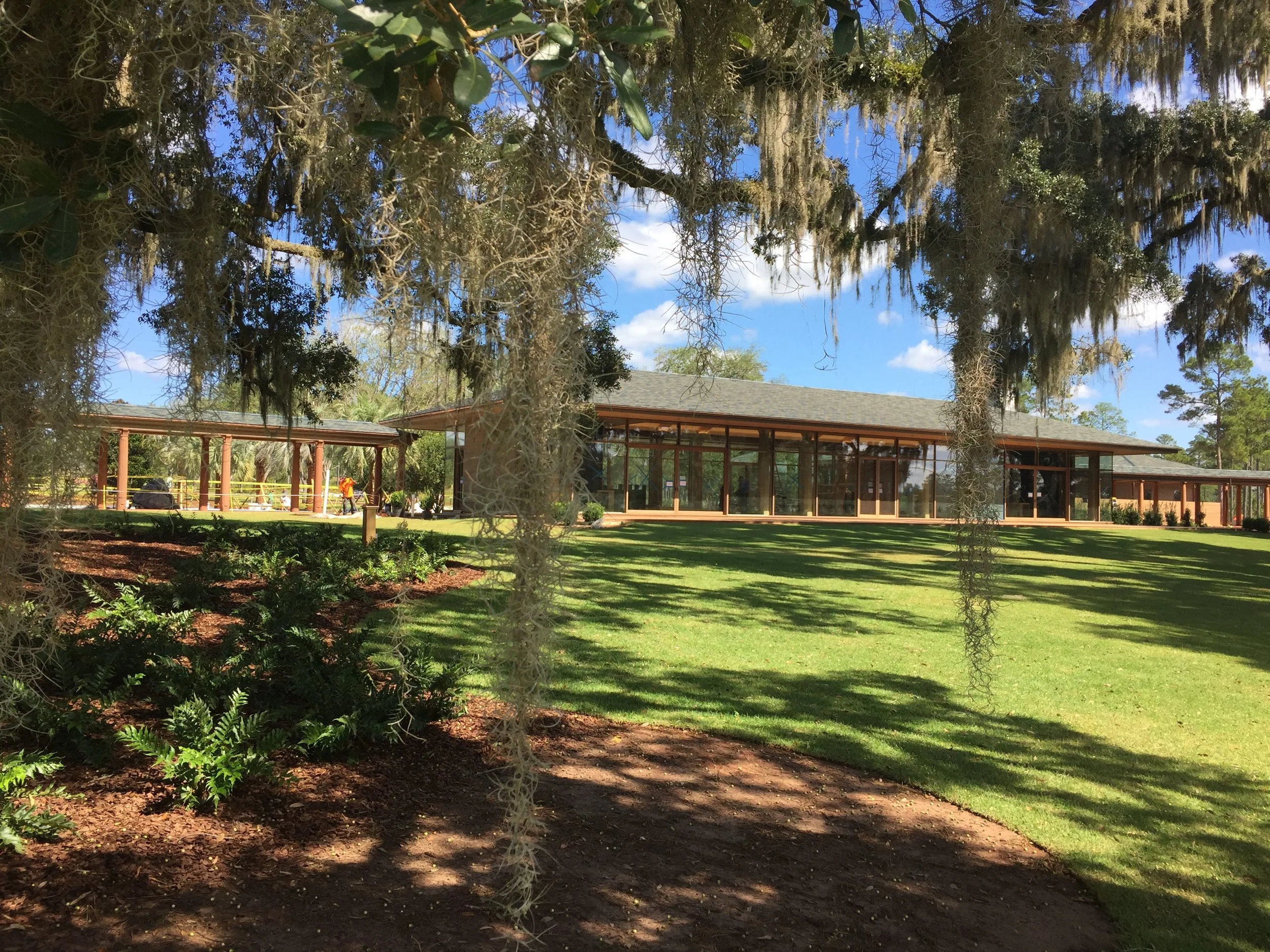
Deceptively simple as you approach it, this rustic cabin presents a wonderful surprise as you enter the front door. It was built from materials harvested from the site.
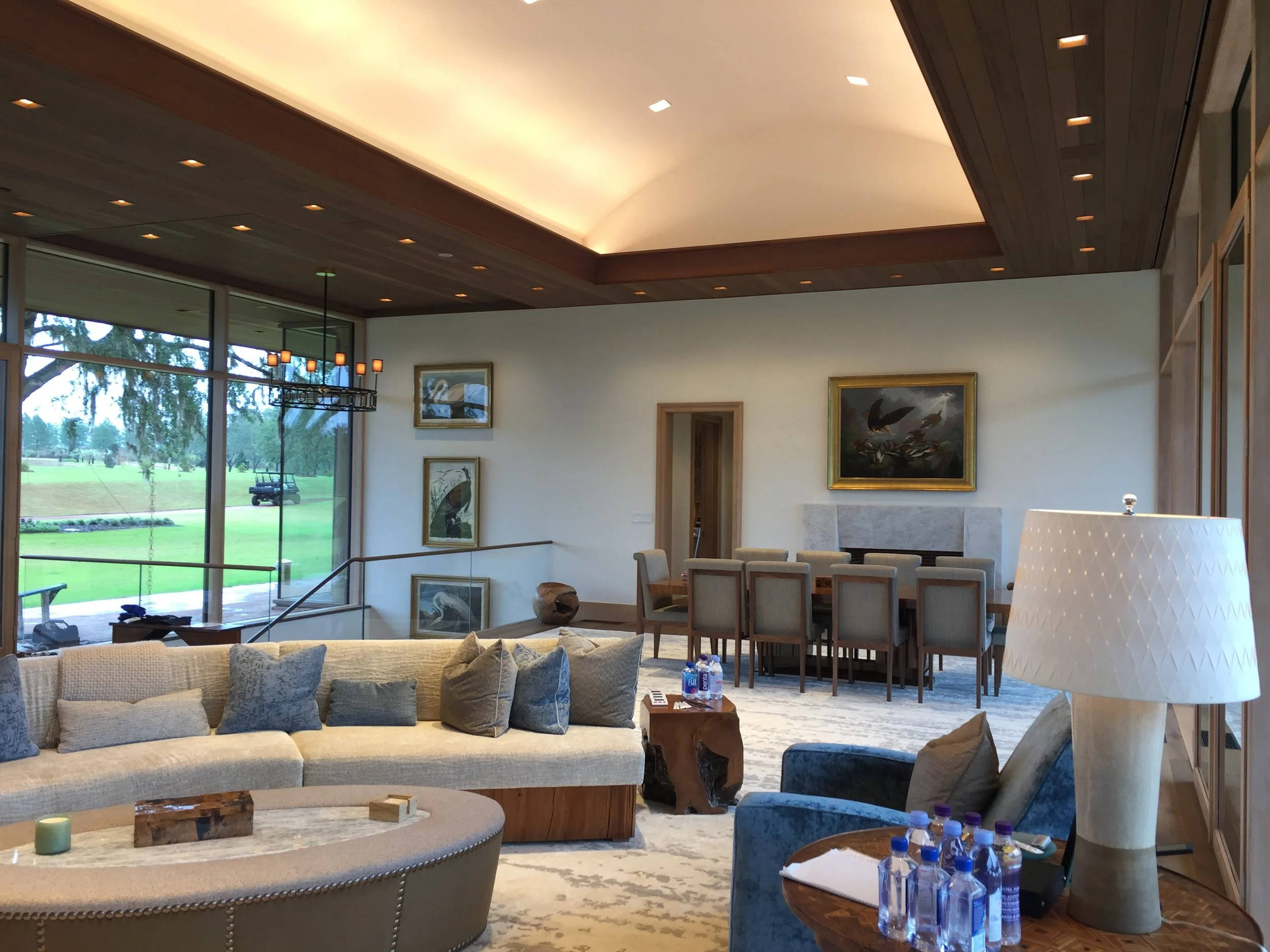
House in Georgia


Phone: (518) 697-5389
Email: Info@ShopeArchitect.com
Address: Allan Shope Architect
290 Oak Hill Road
Hudson, NY 12534
Blog
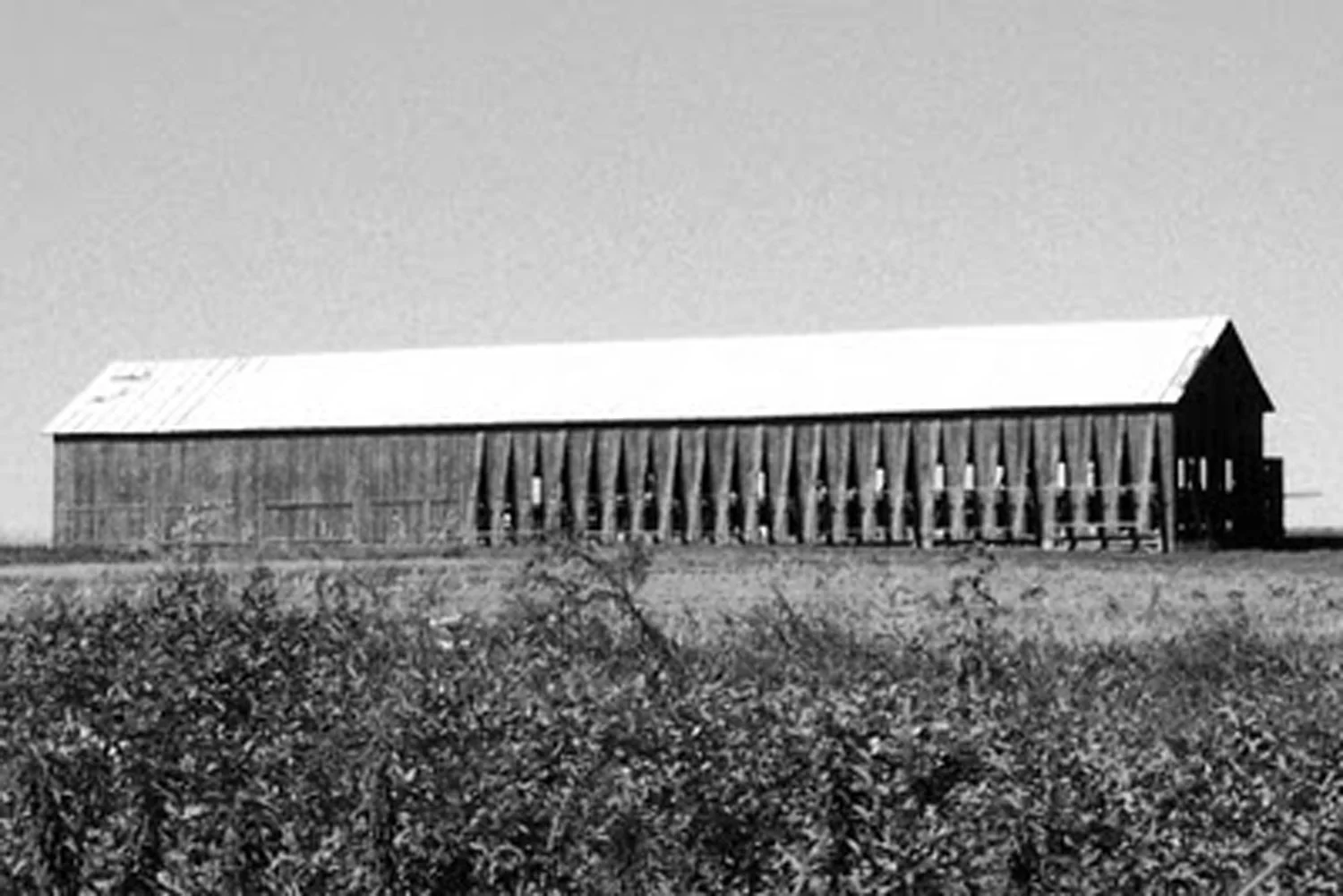
I grew up in an old house in Simsbury, Connecticut during the 1950’s and 60’s. The land in our town was made up primarily of rich alluvial soils that were used for growing shade tobacco to make cigars. When the tobacco was picked in August, it was dried for several weeks in long tobacco barns that dotted the landscape of our community.

The enterprise of arranging for a fourteen-foot diameter, fifteen-ton stump to be hoisted out of the ground, hauled from a remote forest to a usable roadway, conveyed across the country, and lifted onto a wall where it can be appreciated is daunting. I willingly committed myself to the endeavor.
The global economy creates valuable opportunities. In the field of architecture, an exhaustive palette of readily available, mass-produced building materials makes construction cheaper and easier than ever before. Windows, doors, roofing shingles, floor tiles – every part of a structure – can be ordered and shipped from anywhere to anywhere on the planet... All that efficiency saves money and prevents mistakes, but I am troubled by the attendant sacrifices.
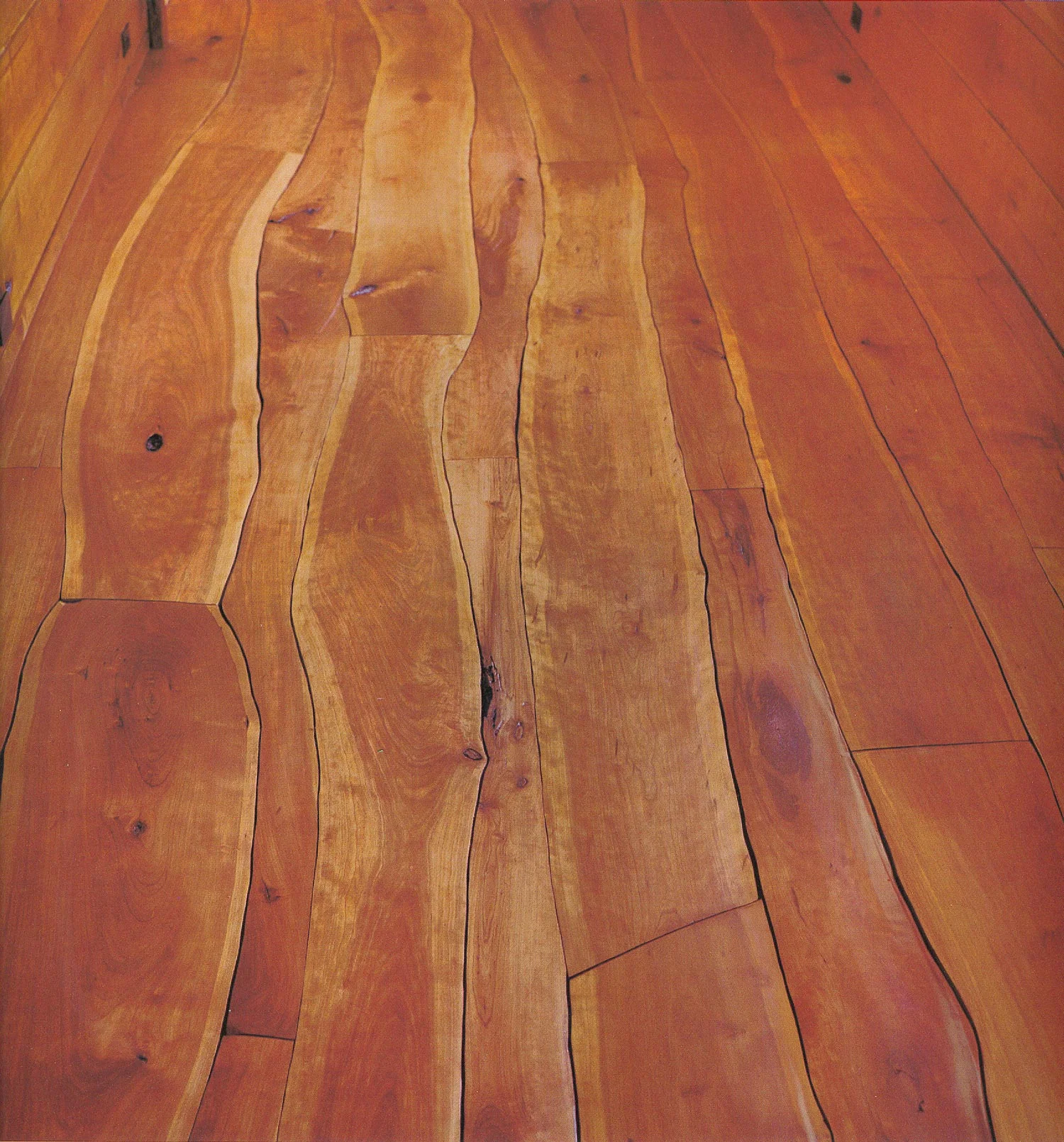
During the 1980’s, my architectural firm received a request to design a doghouse for Guiding Eyes for the Blind. The doghouse was to be part of an exhibition at the Cooper-Hewitt Museum in New York, along with doghouses designed by other architects which would then be sold at auction to purchase puppies that would be trained to assist blind people in their daily lives. There was considerable competition among the various architectural offices designing the doghouses.
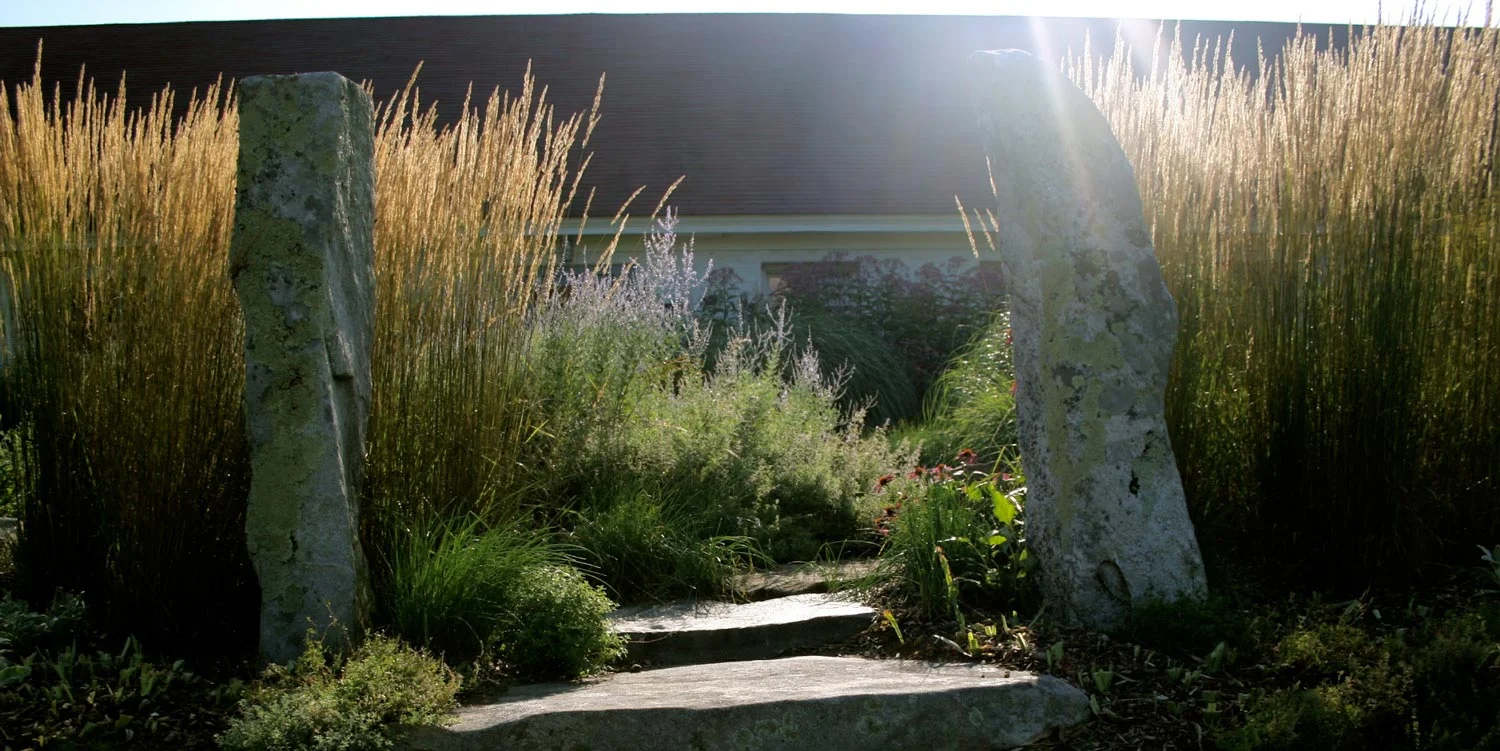
For the Oak Hill Road project, I was fortunate to come across a bountiful supply of granite monoliths just a few miles away from our farm in Amenia, New York. An enormous granite ledge two-thirds of the way up a mountain on Bog Hollow Road had faults running through it. During the winter, water that ran through the faults froze near the surface of the cliff, expanded, and broke off enormous pieces of granite, which fell to the bottom of the cliff in a giant pile.
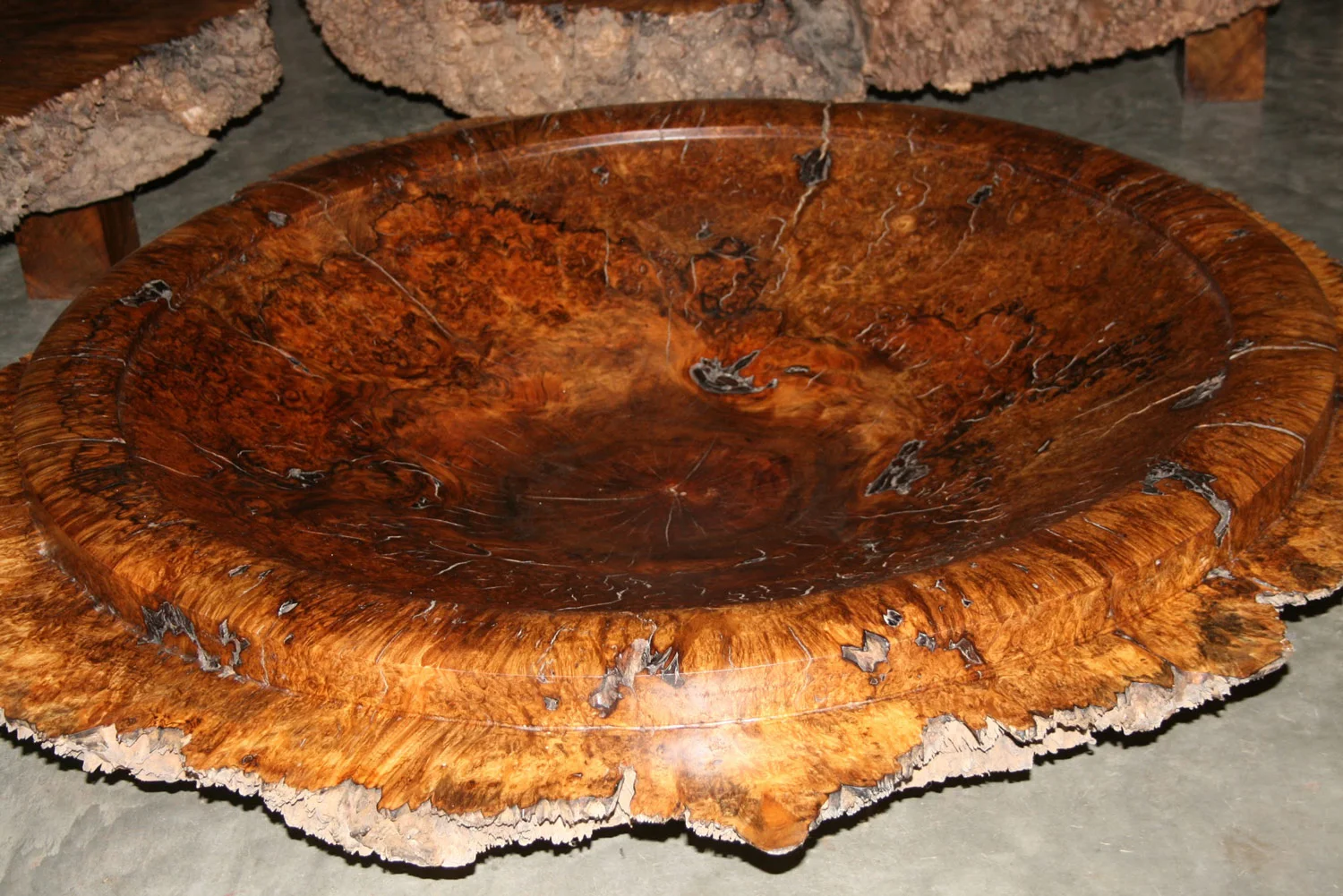
Five years ago, I embarked on an extreme adventure in woodturning. A violent windstorm had blown over a huge Circassian walnut tree in an orchard in Turkey, exposing an enormous underground root burl that weighed over a thousand pounds and measured almost six feet in diameter. A friend in Canada who sells fine hardwoods asked me if I would like to buy it. Unsure of what might lurk within and of what I might concoct with such a mysterious treasure, I said yes.
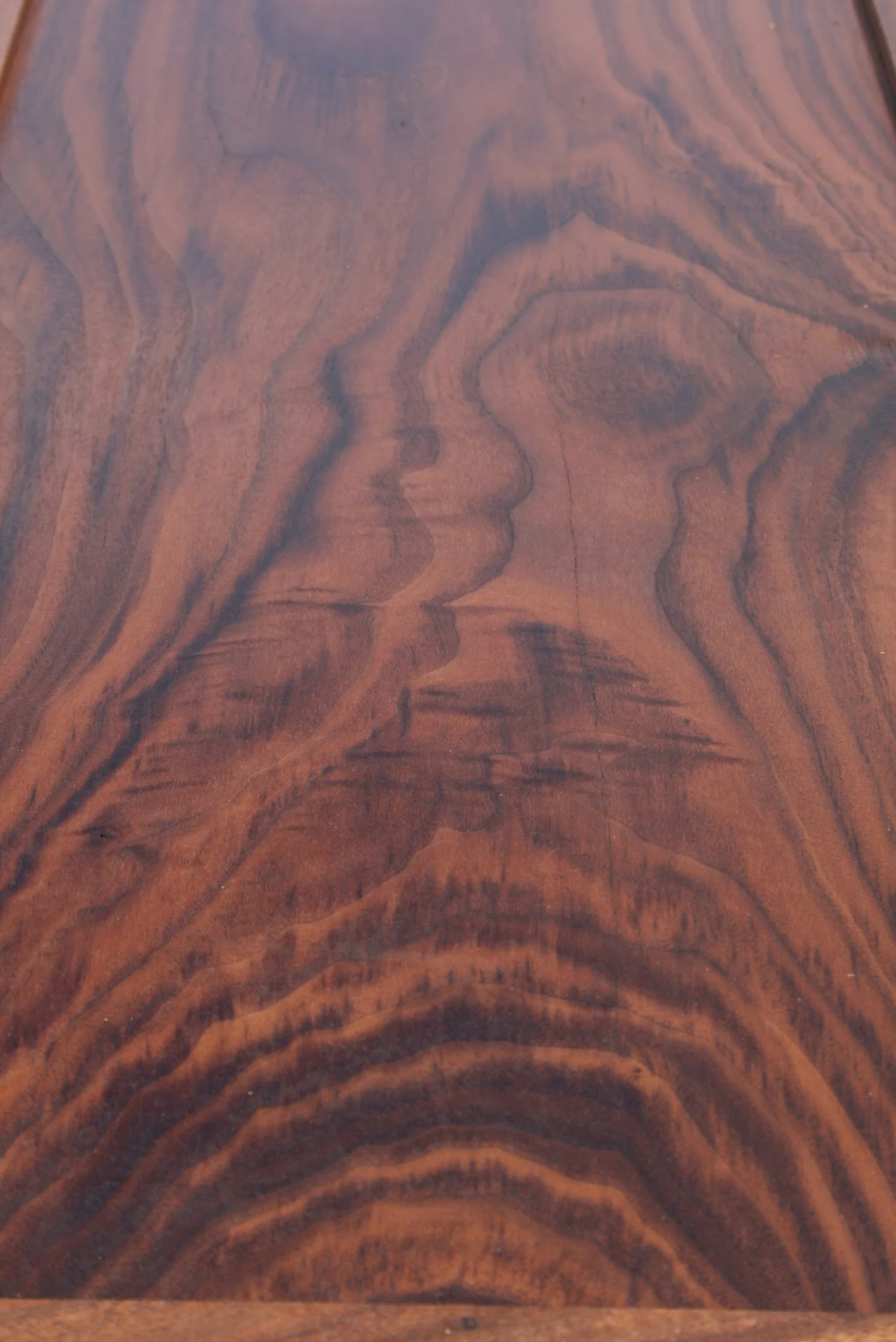
Doors are often considered a purely functional element of a building’s design, but they are capable of making meaningful contributions to life. When I needed to build fourteen interior doors for the Oak Hill Road house, I wanted to create the most special doors I could imagine, employing and highlighting the beautiful local materials available to me.
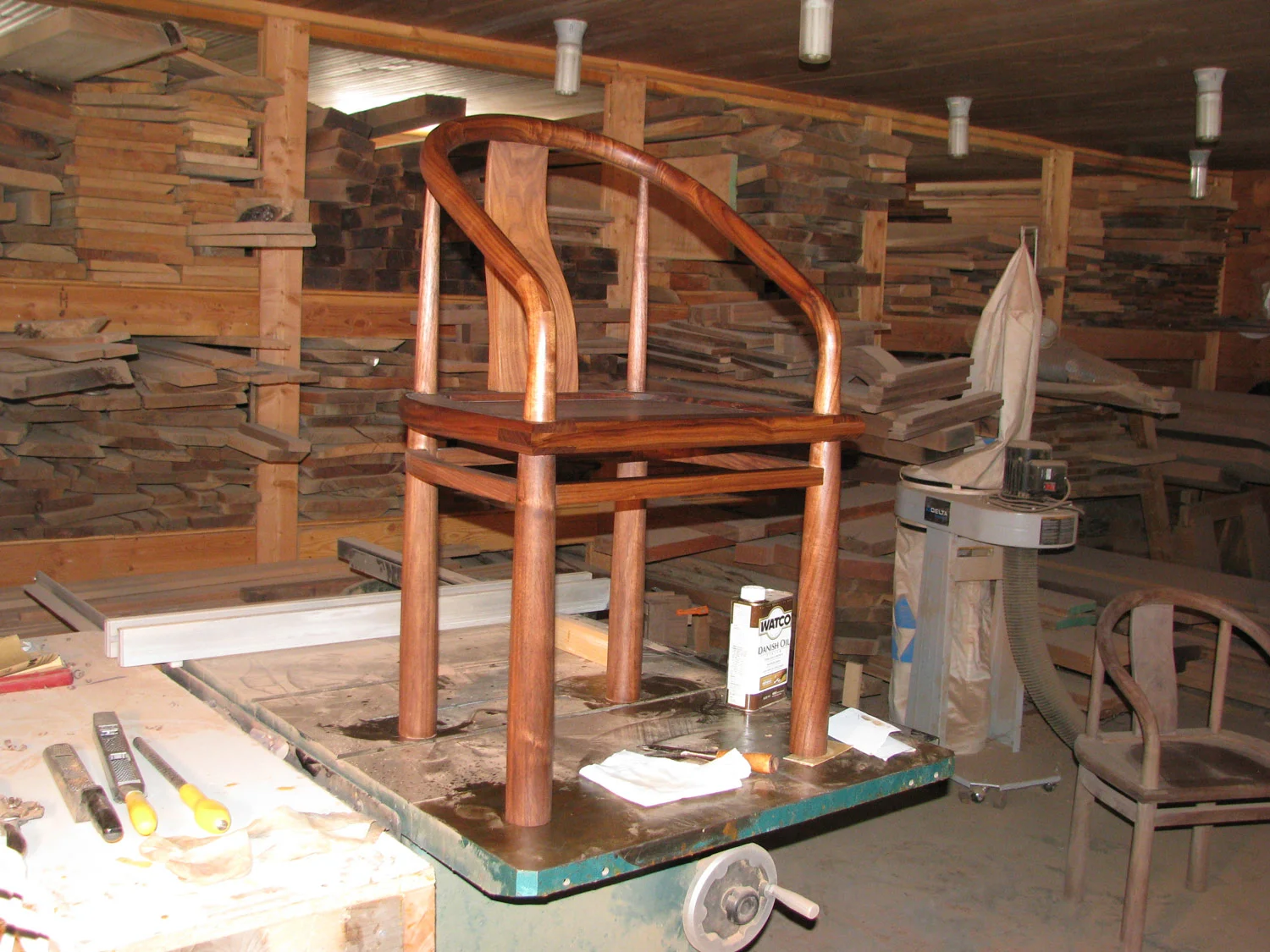
I have always wanted to build a set of chairs from a single tree. I finally found the time to realize that dream when my departure from the established architectural firm I had founded in order to start a new one happened serendipitously to coincide with the moment the recession hit.
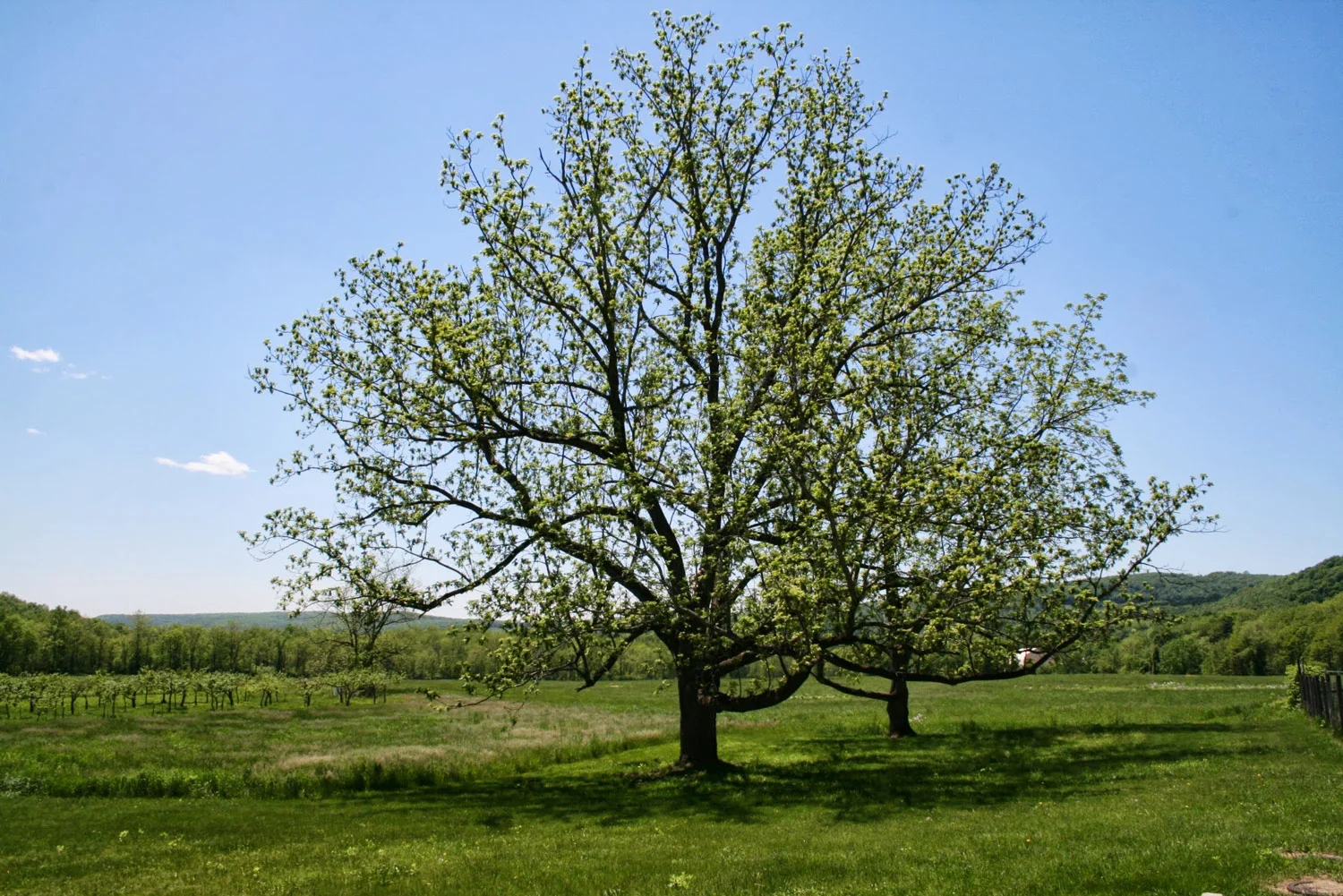
Human beings have foraged for survival for thousands of years. Gathering nature’s bounty from the woods, both to eat and provide shelter, is a primordial human activity. I have always loved searching in forests to find beautiful trees to create special bowls, furniture, and houses, just as I have enjoyed hunting for such delicacies as morels and ramps to cook special meals.
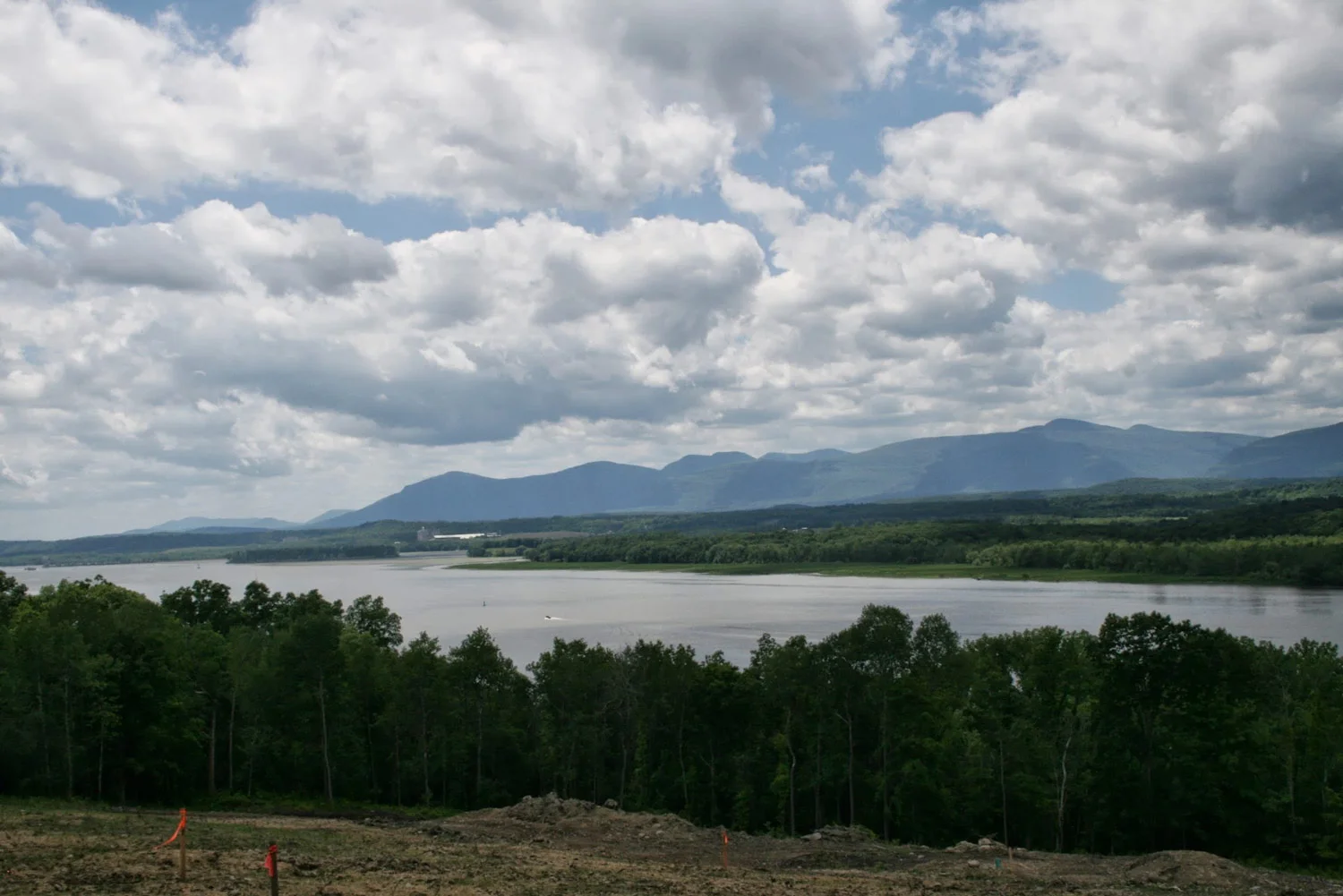
As a child, growing up in rural Connecticut, where the natural world was my playground, land ownership represented a personal challenge to me. Land was owned by other people; every boundary line was an imaginary fence to conquer.